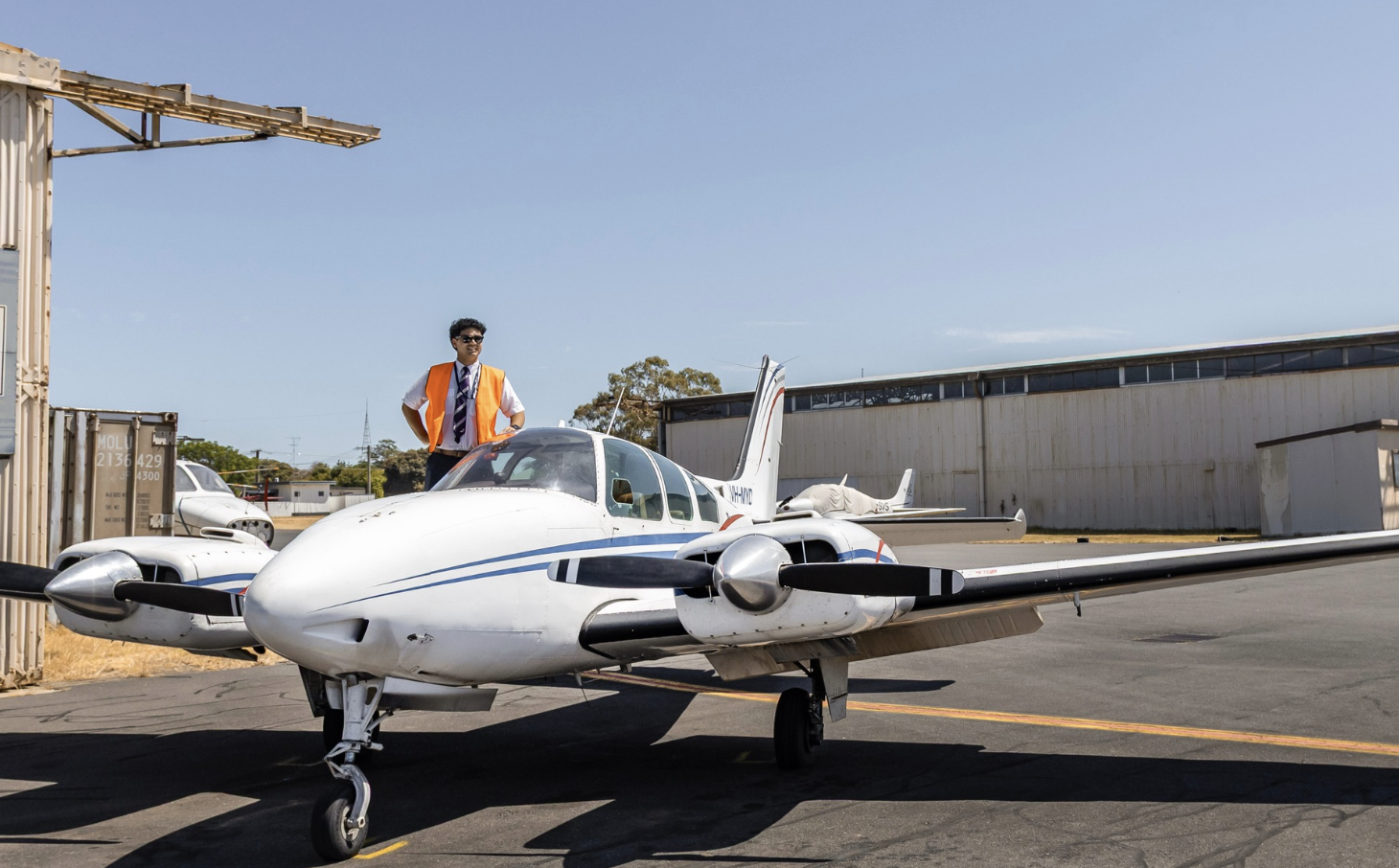
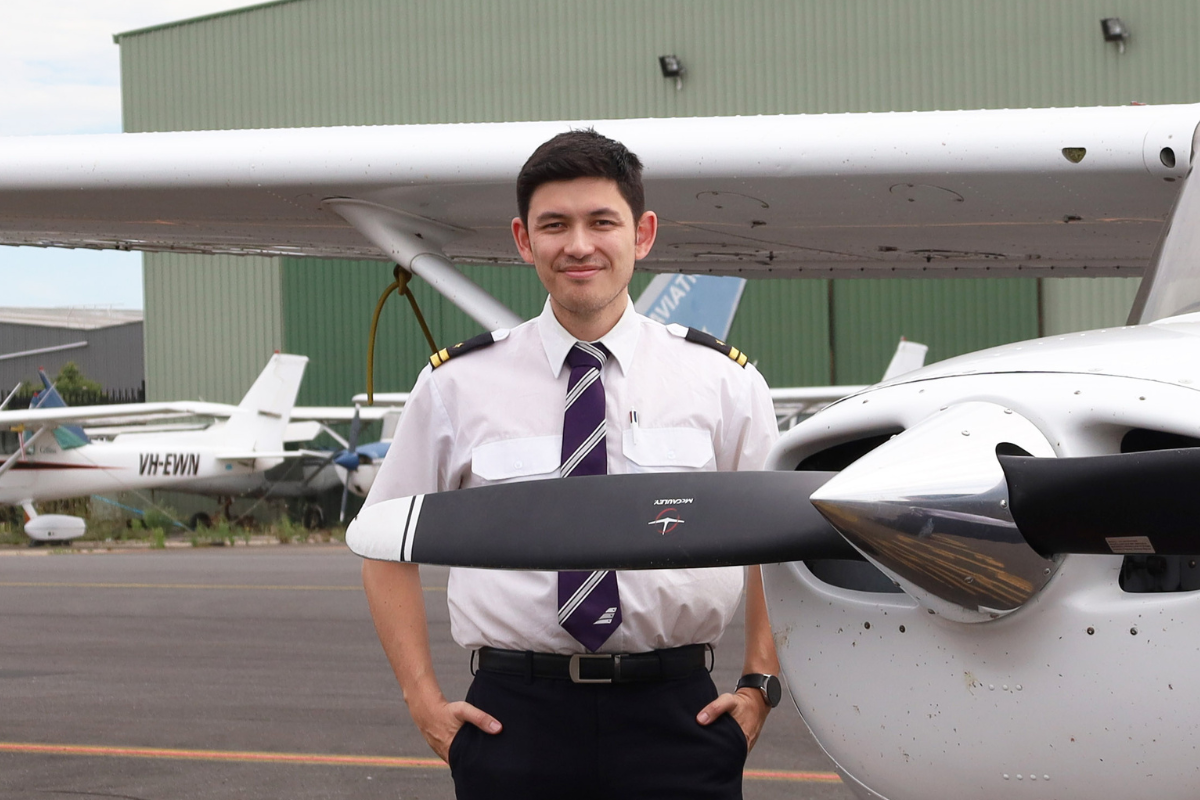
.png)
If you’re dreaming of commanding a Boeing 787 or Airbus A380, the journey begins with high-quality aviation training and your first job in charter or regional flying. At Holmes Institute Aviation, we prepare students for exactly that pathway — from general aviation readiness to airline career potential.
Key Summary
- Becoming an airline pilot in Australia requires structured training and flight hours.
- The journey begins with pilot training and a Commercial Pilot Licence (CPL) under CASA guidelines.
- Most graduates build hours in general aviation and charter pilot jobs.
- Understanding Qantas pilot requirements, Emirates pilot requirements, and Etihad pilot requirements helps you plan your hour-building strategy.
- General aviation is the foundation of a successful airline pilot career.
- Holmes Institute Aviation prepares students for their first professional flying job.
The Dream: Flying for Qantas, Emirates or Etihad
For many aspiring pilots, the ultimate goal is flying wide-body aircraft for world-renowned airlines. Whether it’s operating domestic routes for Qantas or international long-haul services for Emirates or Etihad, the airline pilot career path offers global travel, strong earning potential and professional prestige.
If you’re researching Qantas pilot requirements, Emirates pilot requirements, or Etihad pilot requirements, it’s smart to start early — not to compare yourself today, but to map the experience you’ll need over time

Step 1: Start with Professional Pilot Training in Australia
The first step in becoming an airline pilot in Australia is to enrol in a reputable flight school and follow a training pathway aligned with Australia’s regulator, the Civil Aviation Safety Authority (CASA).
Professional pilot training typically includes:
- Private Pilot Licence (PPL)
- Commercial Pilot Licence (CPL)
- Instrument ratings
- Multi-engine training
- Aviation theory and CASA requirements
At Holmes Institute Aviation, training is designed to prepare students for real-world flying — not just passing tests.
Step 2: Earning Your Commercial Pilot Licence (CPL)
Your Commercial Pilot Licence (CPL) is the key qualification that allows you to be paid as a pilot.
For official licensing guidance, CASA is the primary reference point: CASA licences & certificates
Once qualified, you’re employable. But you’re still early in the journey.
This is true for most Qantas pilot requirements. It is also true for major international carrier standards. That’s why the next phase matters: building hours and experience in general aviation.

Step 3: Building Flight Hours in General Aviation
Airlines want experience, which means building hours after graduation — often in general aviation.
Common hour-building roles include:
- Charter pilot jobs
- Regional operations
- Flight instruction
- Aerial survey
General aviation is where you build the skills and hours that match Qantas pilot requirements. These can be stepping stones toward Emirates pilot requirements and Etihad pilot requirements later in your career.

Step 4: Your First Job – Charter Pilot and Regional Flying
Charter flying is often the first major professional milestone for Australian pilots. It’s where you log real-world hours and sharpen your decision-making. This builds the operational maturity airlines look for.
Charter flying can include:
- FIFO operations
- Tourism routes
- Corporate transport
- Remote and regional routes
This is also where many pilots move from “licensed” to truly “job ready.” It is where airline long-term goals become possible with time and consistency.
Step 5: Understanding Airline Pilot Requirements (Qantas, Emirates, Etihad)
Airline recruiting criteria can change, so always check current requirements on official pages. Still, the broad pattern is consistent: airlines want proven experience, professionalism, and strong instrument/multi-crew capability.
When you look up Qantas pilot requirements, you’ll typically see expectations around:
- Significant total flight time (~500 - 2,000 hours)
- Strong instrument flying capability
- Multi-engine and/or turbine experience (~500 hours)
- Professional operational standards and training history
When you look up Emirates pilot requirements and Etihad pilot requirements, you’ll often see additional emphasis on:
- High total time and multi-crew experience (depending on the position)
- Time on larger aircraft categories or turbine aircraft (role dependent)
- Consistent professional training records and operational exposure
The key takeaway: you don’t need to meet these airline requirements on day one — you need a plan that gets you there step by step.
Why General Aviation Is the Foundation of Every Airline Career
General aviation builds the skills that carry through to airline flying:
- Strong aircraft handling fundamentals
- Real operational decision-making
- Professional standards and discipline
- Confidence in varied conditions
It’s also how most pilots gain experience that later meets Qantas pilot requirements. This experience can also support eligibility for international pathways, such as Emirates or Etihad pilot requirements.
Why Choose Holmes Institute Aviation for Your Pilot Training
Choosing the right flight school in Australia can shape your entire career. Holmes Institute Aviation supports students with structured aviation training that meets CASA standards.
It aims to prepare graduates for general aviation jobs and hour building.
This is the most common path toward airline opportunities.
Helpful Resources
- Civil Aviation Safety Authority (CASA): https://www.casa.gov.au/
- CASA licences & certificates: https://www.casa.gov.au/licences-and-certificates
- Airservices Australia: https://www.airservicesaustralia.com/
- Qantas Careers (for Qantas pilot requirements): https://careers.qantas.com/
- Emirates Group Careers (for Emirates pilot requirements): https://www.emiratesgroupcareers.com/
- Etihad Careers (for Etihad pilot requirements): https://careers.etihad.com/
Frequently Asked Questions
Where can I find Qantas pilot requirements?
The most reliable source is the official Qantas Careers website: https://careers.qantas.com/
Where can I find Emirates pilot requirements?
Check the official Emirates Group Careers site: https://www.emiratesgroupcareers.com/
Where can I find Etihad pilot requirements?
Check the official Etihad Careers site: https://careers.etihad.com/
How long does it take to become an airline pilot in Australia?
Often several years: 1–2 years to reach CPL level (depending on program and pace), then additional time building hours in general aviation before meeting airline minimums.
What is the first job after getting a CPL?
Many pilots start in charter, regional roles, or flight instruction to build time and experience.
Conclusion
Becoming an airline pilot in Australia is not just a dream — it’s a structured and achievable pathway. With the right training, you can work toward Qantas pilot requirements.
You also need real experience in general aviation.
Experience in charter or regional flying can help too. Later, you may align your experience with international roles. These roles may match Emirates pilot requirements and Etihad pilot requirements.
.png)